
Does a Promissory Note Need to Be Notarized?

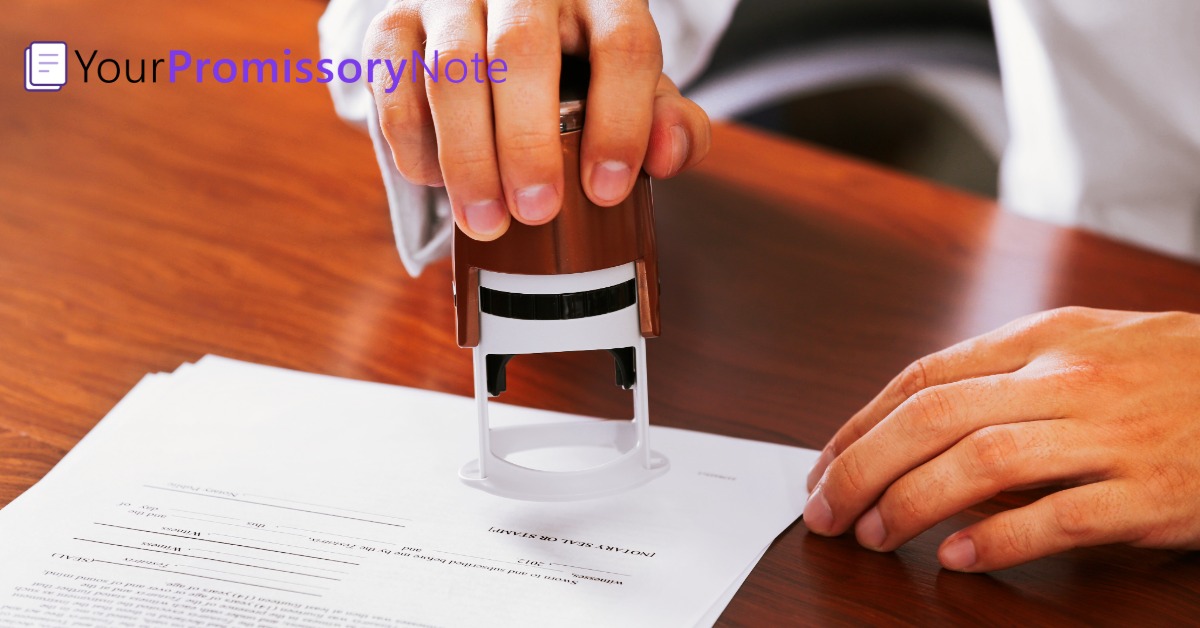
It is one of the most common questions people have when putting a loan in writing: do you need to get a promissory note notarized before it is legally valid? The short answer is no, not in most cases. But the longer answer is worth understanding before you skip the notary entirely.
Notarization Is Not Required in Most States
In the majority of states, a promissory note does not need to be notarized to be legally binding and enforceable. What makes a promissory note valid is the borrower's signature, not a notary's stamp. As long as the note includes the essential elements, the names of both parties, the loan amount, the repayment terms, and the borrower's signature, it generally holds up as a legal document.
This is different from other documents you might associate with borrowing money, like a mortgage or deed of trust, which typically do require notarization because they involve real property and need to be recorded with a government office. A standalone promissory note does not have that requirement in most cases.
When Notarization Does Help
Just because notarization is not required does not mean it is not useful. Getting a promissory note notarized adds a meaningful layer of protection, particularly if you think there is any chance the borrower might later claim they never signed the document or that their signature was forged.
A notary public verifies the identity of the person signing and confirms that they signed willingly and without coercion. That verification makes it significantly harder for a borrower to dispute the authenticity of their signature in court.
If you are lending a substantial amount of money, lending to someone you do not know well, or have any reason to believe the borrower might become difficult down the road, the small cost and effort of notarization is worth it.
Real Estate Transactions Are a Different Story
If your promissory note is connected to a real estate transaction, such as a seller-financed home sale, the rules change. In these situations the promissory note is often paired with a mortgage or deed of trust, and those documents typically need to be notarized and recorded with the county to be enforceable against third parties.
If you are involved in any kind of real estate deal and using a promissory note as part of the financing arrangement, consult with a real estate attorney in your state before assuming notarization is optional. The consequences of getting it wrong can be significant.
Some States Have Specific Requirements
While no state universally requires notarization for all promissory notes, individual state laws can create situations where notarization becomes important or effectively necessary. Some states give extra legal weight to notarized documents. Others have specific rules about what is required when a promissory note involves collateral or is used in a commercial lending context.
If you are unsure about the rules in your state, checking with a local attorney or your state's official legal resources is the safest move. Requirements can also vary depending on the amount involved and the nature of the transaction.
What About Witnesses
The question of witnesses often comes up alongside notarization. Like notarization, having a witness sign a promissory note is generally not required for it to be valid. But also like notarization, it can strengthen the document if the note is ever challenged.
A witness who can confirm that both parties signed the note voluntarily and understood what they were agreeing to adds credibility in a dispute. This is especially relevant when lending money to a family member or friend where emotions can run high and memories of what was agreed upon can conveniently shift over time.
The Bottom Line
For most personal loans and private lending arrangements, notarization is not required for a promissory note to be legally enforceable. The signature is what counts. But if the amount is significant, if real estate is involved, or if you simply want the strongest possible documentation, getting it notarized is a smart and inexpensive step that takes very little time.
When in doubt, do it. A notary stamp costs next to nothing compared to the headache of trying to prove a document's validity in court without one.
Sarah McCullen is a writer covering personal finance, lending agreements, and everyday legal documents. Sarah transforms complex promissory note terms into clear, practical guidance so individuals can create and understand agreements without unnecessary confusion.
View all posts →Create Your Promissory Note
Need a promissory note? Create one now for $7.99 — state-specific and professionally formatted.
Get Started — $7.99