
Can a Promissory Note Affect Your Credit Score?

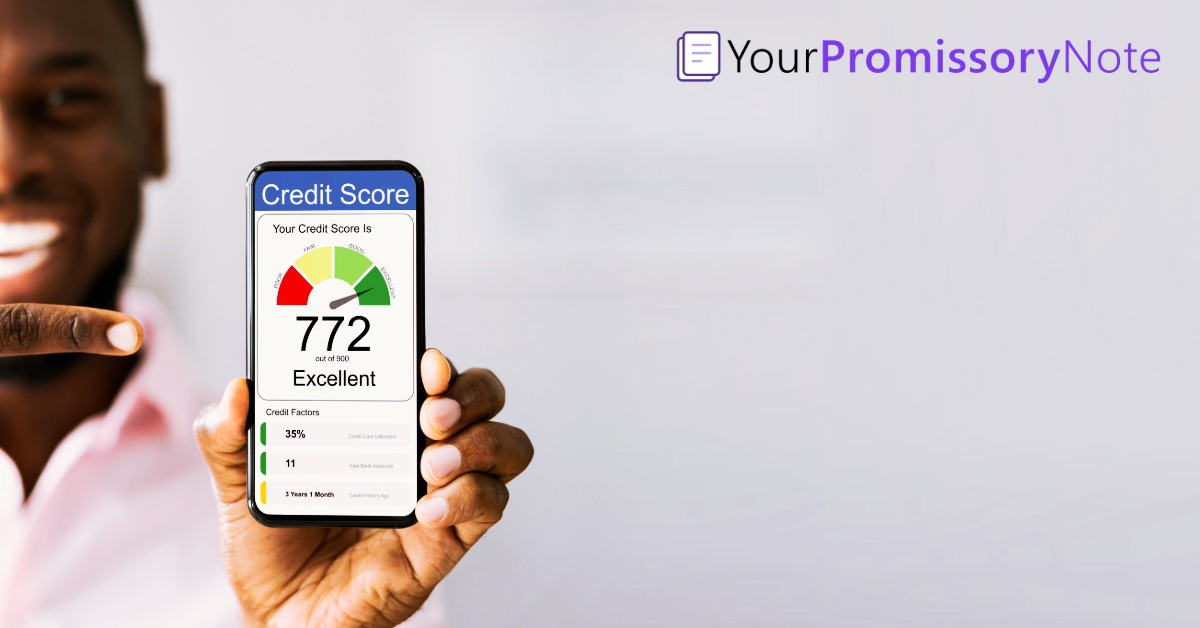
When most people think about what affects their credit score, they think about credit cards, car loans, and mortgages. Promissory notes tend to fly under the radar. But depending on how a promissory note is structured and what happens with repayment, it can absolutely have an impact on your credit, or no impact at all. The difference comes down to a few key factors.
Most Private Promissory Notes Do Not Show Up on Your Credit Report
The majority of promissory notes used in private lending arrangements, think loans between friends, family members, or individual investors, are never reported to the credit bureaus. Experian, Equifax, and TransUnion only receive information from creditors who report to them, and most private lenders do not have that kind of relationship with the bureaus.
This means that if a family member lends you money through a promissory note and you pay it back faithfully over two years, that positive payment history will not show up on your credit report. By the same token, if you default on that loan, it will not automatically appear as a negative mark either.
For better or worse, private promissory notes tend to exist outside the credit reporting system entirely.
When a Promissory Note Can Hurt Your Credit
Just because a private lender does not report to credit bureaus directly does not mean a defaulted promissory note can never damage your credit. There are a few paths through which an unpaid note can find its way onto your credit report.
If the lender sells the unpaid debt to a collections agency, that agency may report the account to the credit bureaus as a collection. A collections entry is one of the more damaging things that can appear on a credit report and can stay there for up to seven years.
If the lender takes the matter to court and obtains a judgment against you, that judgment can also affect your financial profile. While civil judgments no longer appear directly on credit reports following changes made by the major bureaus in 2017, a judgment can still lead to wage garnishment or bank levies that affect your financial stability in ways that ripple into your creditworthiness.
Institutional Promissory Notes Are a Different Story
When a promissory note is part of a formal lending arrangement through a bank, credit union, or other financial institution, the rules change completely. Institutional lenders report to the credit bureaus as a standard part of their operations.
Student loans are a clear example. When you sign a Master Promissory Note for a federal student loan, that loan shows up on your credit report. On-time payments build positive credit history. Missed payments and defaults cause serious damage. The same applies to personal loans from banks and any other institutional lending products that use promissory notes as part of their documentation.
Using a Promissory Note to Build Credit
There is a lesser-known strategy where private promissory notes can actually be used to help build credit. Some services specialize in reporting private loan payments to credit bureaus on behalf of lenders and borrowers who want the payment history to count. If you are paying back a family loan and want that positive history reflected in your credit profile, these services can bridge the gap between private lending and the credit reporting system.
This approach requires both parties to be on board and involves some administrative setup, but for borrowers who are trying to establish or rebuild credit, it can turn a private loan into a credit-building opportunity that would otherwise be invisible to the bureaus.
The Indirect Credit Impacts Worth Knowing
Even when a promissory note never touches your credit report directly, large private loans can affect your creditworthiness in indirect ways. When you apply for a mortgage or other major financing, lenders will ask about existing debts and may request documentation of any outstanding obligations. A promissory note you are repaying represents a financial commitment that could affect a lender's assessment of your debt-to-income ratio even if it is not on your credit report.
Being upfront about existing private loans during a mortgage application is important. Attempting to hide them and having them surface later can create problems that go beyond your credit score.
What This Means for Lenders
If you are the lender on a private promissory note and you are hoping that the borrower's repayment behavior will be captured somewhere useful, the reality is that it probably will not be unless you take deliberate steps to make it happen. Private lenders generally have no mechanism for rewarding a borrower's good payment behavior through the credit system, and collecting on a defaulted note through legal channels is the primary recourse available when things go wrong.
This is one more reason why careful vetting of a borrower before extending a private loan matters more than it might with an institutional lender. The credit system offers less visibility and fewer automatic protections in private lending arrangements.
The Bottom Line
For most private loans documented with a promissory note, your credit score will not be directly affected by how you handle repayment. That is both a comfort and a caution. It means a default will not automatically tank your credit, but it also means responsible repayment will not help build it either.
Where promissory notes do connect to credit, through institutional loans, collections actions, or deliberate reporting arrangements, the impact can be significant in either direction. Understanding which category your promissory note falls into is the first step toward knowing exactly what is and is not at stake for your credit profile.
Sarah McCullen is a writer covering personal finance, lending agreements, and everyday legal documents. Sarah transforms complex promissory note terms into clear, practical guidance so individuals can create and understand agreements without unnecessary confusion.
View all posts →Create Your Promissory Note
Need a promissory note? Create one now for $7.99 — state-specific and professionally formatted.
Get Started — $7.99