
What Happens to a Promissory Note in Bankruptcy?

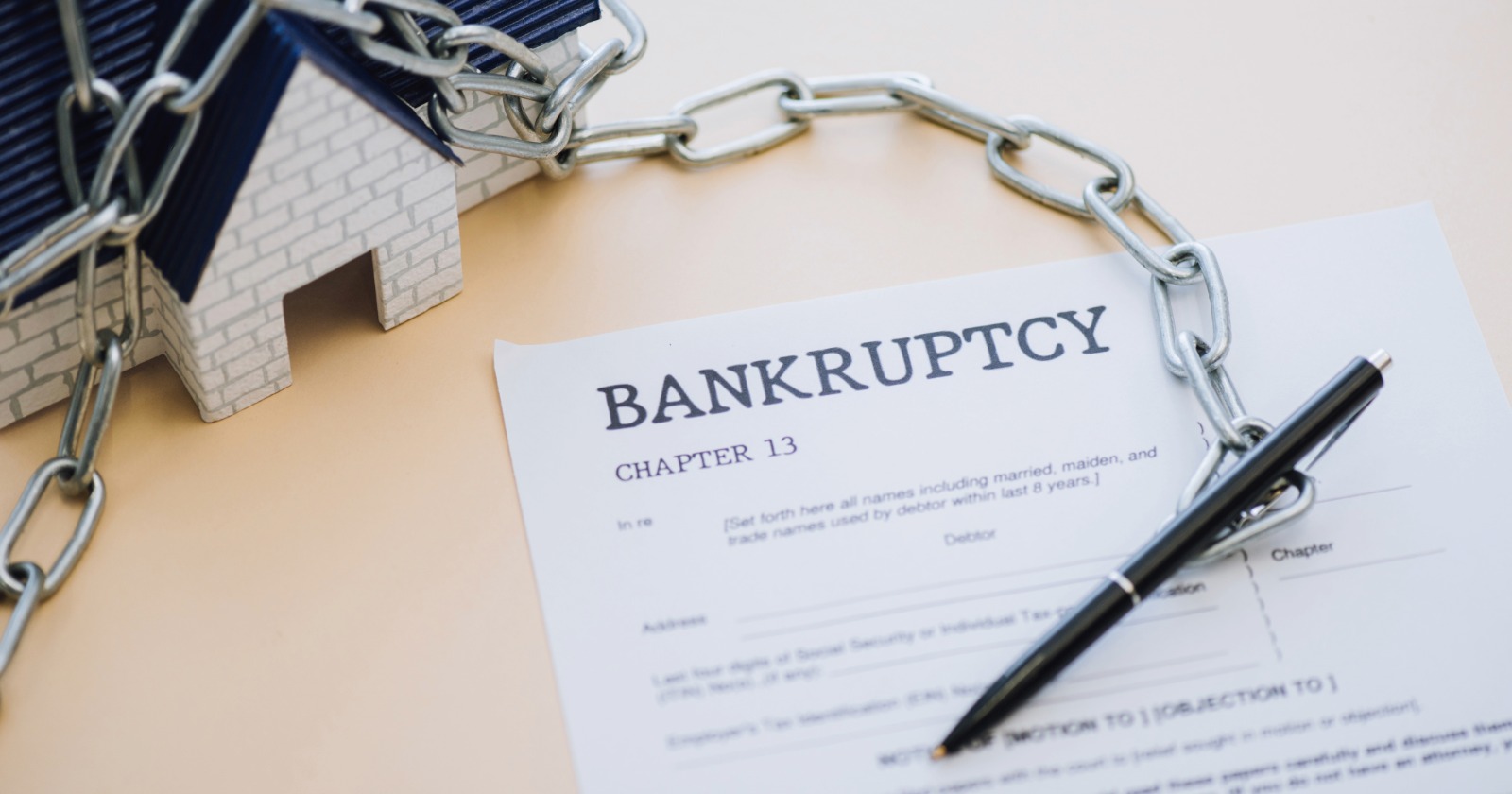
Lending money on a promissory note feels safe until the borrower files for bankruptcy, and then the question becomes whether you will ever see your money again. The honest answer is that it depends almost entirely on one thing many private lenders never considered when they made the loan: whether the note was secured by collateral. Bankruptcy does not automatically erase the debt, but it does sort creditors into a strict order of priority, and where you land in that order decides how much, if anything, you recover. Understanding the difference before you lend is what separates a lender who gets paid in a bankruptcy from one who gets a notice and nothing else.
Bankruptcy Does Not Instantly Cancel the Debt
A common misconception is that a borrower filing bankruptcy means the promissory note is simply wiped out. It is more complicated than that. When a borrower files, an automatic stay immediately stops most collection efforts, so you cannot call, sue, or pursue the borrower while the case is pending. Your debt becomes a claim in the bankruptcy, and what happens to it depends on the type of bankruptcy and the nature of your claim. The note still exists and still represents a real debt. The bankruptcy process decides how that debt gets treated, not whether it ever existed, and the holder of the note has the right to file a claim to be paid from whatever the process distributes.
Secured Versus Unsecured Is the Whole Game
This is the distinction that decides your fate. If your note is secured by collateral, you are a secured creditor with a claim against that specific asset, and secured creditors sit near the front of the line. You generally have the right to be paid from the value of the collateral, or to recover the collateral itself, which is why securing a loan matters so much. If your note is unsecured, you are an unsecured creditor, and unsecured creditors are near the back of the line, paid only after secured creditors and certain priority debts are satisfied. In many bankruptcies, by the time the unsecured creditors are reached, there is little or nothing left to distribute. A private lender who made an unsecured loan to a friend or family member can easily end up recovering pennies on the dollar, or nothing. The lesson is one you can only act on before you lend: a secured promissory note puts you in a position an unsecured one never can.
How the Type of Bankruptcy Affects You
The chapter the borrower files under changes the picture. In a liquidation bankruptcy, the borrower non-exempt assets are sold and the proceeds distributed to creditors in priority order, after which most remaining unsecured debts are discharged, meaning the borrower is no longer legally obligated to pay them. In a reorganization or repayment bankruptcy, the borrower keeps assets and follows a court-approved plan to repay creditors over a period of years, and you may receive payments under that plan, though often less than the full amount. Either way, the outcome flows back to whether your claim is secured and where it ranks, but the type of case determines whether you are looking at a one-time distribution or a multi-year repayment plan.
What a Lender Should Do When the Borrower Files
If you receive notice that a borrower has filed bankruptcy, stop all collection activity immediately, because violating the automatic stay can bring penalties against you. Then make sure you file a proof of claim by the deadline the court sets, since a creditor who does not file a claim can be left out of any distribution entirely. Gather your documentation: the signed promissory note, any security agreement or recorded lien, and your record of payments and the outstanding balance. If your loan is secured, assert your secured status, because that is what moves you up the priority order. Given how much can be at stake, consulting a bankruptcy attorney is often worthwhile, especially for a larger loan or a secured claim you need to protect properly.
The Takeaway
Bankruptcy is the scenario that exposes the gap between a secured and an unsecured loan more starkly than anything else. While the loan is being repaid normally, the two look similar. The moment the borrower files, the secured lender has a claim on an asset and a place near the front of the line, while the unsecured lender has a promise and a place near the back. You cannot fix this after the borrower files; the decision is made when you write the note. If the loan is large enough that losing it would hurt, securing it with collateral and documenting that security properly is the protection that holds up when everything else falls apart.
Sources
Sarah McCullen is a writer covering personal finance, lending agreements, and everyday legal documents. Sarah transforms complex promissory note terms into clear, practical guidance so individuals can create and understand agreements without unnecessary confusion.
View all posts →Create Your Promissory Note
Need a promissory note? Create one now for $7.99 - state-specific and professionally formatted.
Get Started - $7.99