
No State requires you to Notarize a Promissory Note. Here is the one time it really pays to

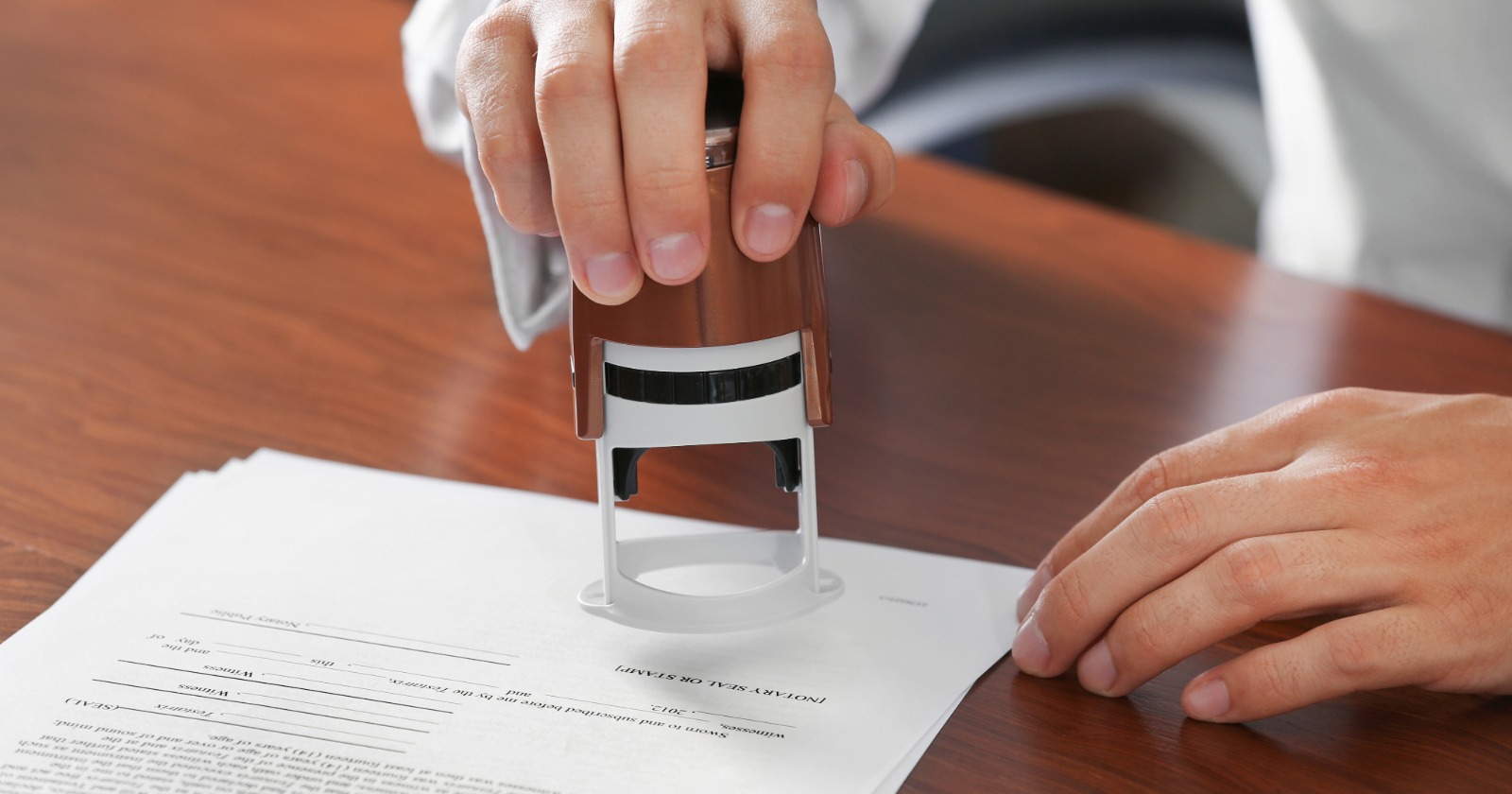
Let's clear up the single most common myth about lending money: notarization, the process of having a notary public verify a signature, is not required to make a promissory note valid. We reviewed all 50 states and DC, and not one of them makes notarizing a promissory note a condition of it being enforceable. A note signed at a kitchen table is a real, binding contract.
What actually makes a note valid
A promissory note is enforceable when it has the basics: who is lending, who is borrowing, how much, the interest rate, the repayment terms, and the borrower's signature. That is the contract. In California or anywhere else, a notary stamp is not on that list. You can write a perfectly binding note today without ever leaving your house.
So if it is optional everywhere, why does everyone reach for a notary? Because they are conflating "valid" with "easy to prove." Those are two different problems, and notarization only helps with the second one.
The confusion usually comes from other documents. Deeds, wills, and some powers of attorney often do require notarization, and people assume promissory notes fall in the same bucket. They do not. A note is a straightforward contract to repay money, and contracts almost never need a notary to be binding. The requirement you are half-remembering belongs to a different kind of paperwork entirely.
The difference between valid and provable
Here is the distinction that matters. A note being valid means the law will enforce it. A note being provable means you can actually show a court that this borrower signed this document. Most loans never get tested. But when one goes bad, the fight is almost never about whether notes are enforceable. It is about whether that signature is real.
That is the gap notarization fills. It does not add legal power to the note. It adds proof about the signing.
What notarizing actually buys you
When a notary watches someone sign, the note becomes what lawyers call self-authenticating. In plain terms, the signature comes with built-in evidence that the right person signed it, on that date, willingly. A borrower who later claims "that isn't my signature" or "I never signed that" is now arguing against a neutral official who watched it happen and logged it.
Without it, you can still win. You just have to prove the signature the hard way, sometimes with witnesses or a handwriting comparison. Notarization skips that whole detour.
It is worth being honest about what notarization does not do, because people oversell it. A notary does not read your note, does not vouch that the terms are fair, and does not make an illegal rate legal. If you wrote a rate over your state's usury cap, the notary stamp will not save it, and you should run the number through our usury limit checker first. All the notary confirms is identity and willingness at the moment of signing. That is a narrow job, but it happens to be the exact thing borrowers dispute most often.
The one time it really pays to notarize
So when is the trip worth it? When the borrower is the type who might later deny signing, and when the amount is big enough that a denial would actually send you to court. A small loan to a reliable relative? A witness is plenty. A five-figure loan to an in-law you half-trust, or a business associate you barely know? That is exactly the scenario where a future "prove I signed this" fight is realistic, and notarization ends it before it starts.
The pattern is simple. The higher the dollar amount and the lower your certainty about the person, the more a notary earns its keep. When both are low, skip it.
There is a second scenario where it quietly pays off: any loan you expect to outlive the conversation. If the note will not be repaid for five or ten years, memories fade, phones get wiped, and the friendly texts that once proved the deal disappear. A notarized signature is frozen in time. Years later, when nobody quite remembers the details, that stamp is the one piece of evidence that has not aged.
A witness is the lighter-weight alternative
If a notary is inconvenient, a witness gets you most of the way there. A neutral third party who watches the signing and signs as a witness can later confirm it was genuine. It is not quite as bulletproof as notarization, but it beats a signature nobody but the two of you ever saw. For a lot of everyday loans, one credible witness is the sweet spot.
Pick your witness with a little care, though. The ideal person is neutral, is not related to either side, and would be easy to reach and credible if they ever had to confirm the signing years from now. Your co-borrower's brother is a weak witness. A colleague or a neighbor with no stake in the loan is a strong one. Jot down their full name and the date next to their signature so that a future you, or a future judge, can actually track them down.
Match the formality to the loan type
How much authentication you want also tracks the kind of note you are writing. A short demand note between close family carries different risk than a large secured loan backed by collateral, or a longer installment plan that will run for years. The bigger and longer-lived the obligation, the more you want that signature nailed down beyond dispute. For an unsecured loan with nothing backing it but the borrower's promise, provable authenticity is doing even more of the work.
The bottom line
Notarization is optional in every state, and for most small, trusting loans you can skip it with a clear conscience. But it is not decoration. When the amount is large and the borrower is someone who might one day claim they never signed, walking to a notary, or at minimum grabbing a witness, is the cheapest insurance you will ever buy against a signature denial.
Sources
Sarah McCullen is a writer covering personal finance, lending agreements, and everyday legal documents. Sarah transforms complex promissory note terms into clear, practical guidance so individuals can create and understand agreements without unnecessary confusion.
View all posts →Create Your Promissory Note
Need a promissory note? Create one now for $7.99 - state-specific and professionally formatted.
Get Started - $7.99