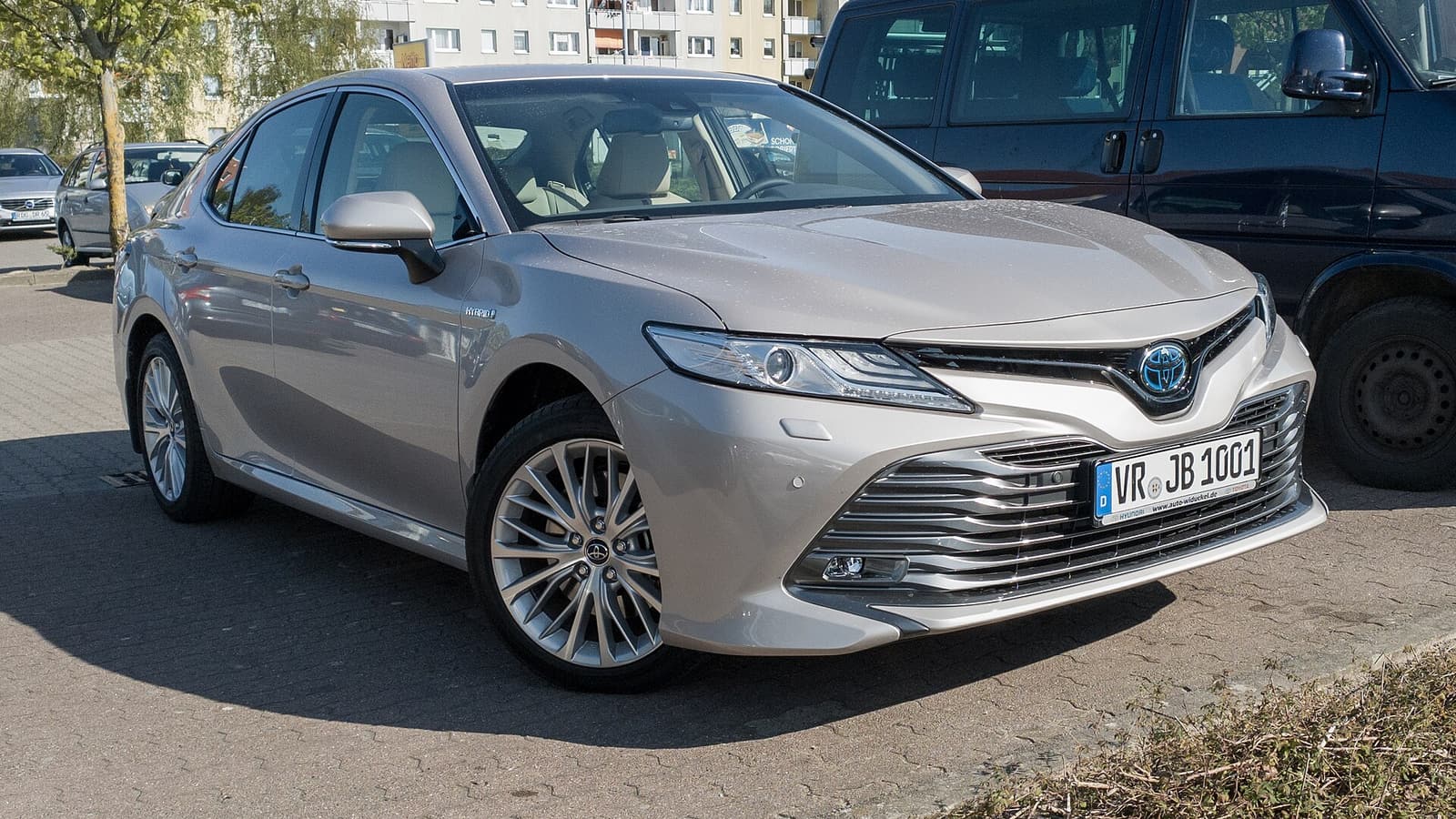
Image Credit: Matti Blume via Wikimedia Commons, CC BY-SA 4.0 (source)
Letting a buyer pay for a vehicle over time is a common arrangement between private parties. Done correctly, it protects the seller as much as any bank loan. Done without the right paperwork, it leaves the seller with an empty driveway and no legal leverage.
How seller financing on a vehicle works
In a standard private sale, the buyer pays the full price in cash or via financing from a bank or credit union. In a seller-financed sale, the seller acts as the lender: the buyer pays a down payment, and the remainder is owed on a payment plan.
The seller transfers ownership of the vehicle but retains a lien on the title until the note is paid off. This is the same structure used by dealerships offering "in-house financing," just between two private parties.
The two documents you always need
A seller-financed vehicle transaction requires both a bill of sale and a promissory note. They are not interchangeable and you cannot use one in place of the other.
Bill of sale. Documents the transfer of ownership: vehicle description, sale price, date, "as-is" or warranty language, both signatures. The DMV needs this to transfer the title. Get a vehicle bill of sale from YourBillOfSale.com.
Secured promissory note. The loan agreement: principal balance, interest rate, payment schedule, late fees, default and acceleration terms, and the security interest in the vehicle as collateral. This is what you enforce if the buyer stops paying.
Recording the lien on the vehicle title
The most important step many private sellers skip: recording the lien at the DMV. If the lien is not on the title, you have no legal right to repossess the vehicle without a court judgment, and the buyer can sell or trade in the vehicle as if it is free and clear.
The process at most DMVs:
Complete the title transfer application for the buyer.
In the lienholder section, fill in the seller's name and address as the lienholder.
Submit the application and fee to the DMV.
The DMV issues a new title in the buyer's name showing the lienholder. In many states, the physical title is held by the lienholder (you) until the loan is paid.
When the note is paid in full, sign a written lien release (often a specific DMV form) so the buyer can get a clean title with no lienholder.
Key terms to include in the promissory note
Vehicle identification. Year, make, model, body style, color, and VIN. Do not be vague. If you ever need to repossess, law enforcement and the DMV will want the VIN to confirm ownership.
Principal amount. The purchase price minus the down payment. If the buyer puts $2,000 down on a $10,000 vehicle, the note is for $8,000.
Interest rate. Must be at or above the IRS AFR (for loans above $10,000) and at or below your state's usury cap. See our Usury Limit Checker.
Payment schedule. Monthly is most common. Spell out the payment amount, due date (e.g., 1st of each month), and where payments are sent.
Late fee and grace period. A typical structure is a 10-day grace period followed by a flat late fee (e.g., $25 to $50) or a percentage of the overdue amount.
Default and acceleration. Define what constitutes default (typically 1 to 2 missed payments) and state that on default the full remaining balance becomes due immediately.
Security interest. A paragraph granting the lender (seller) a security interest in the described vehicle as collateral for the note, and authorizing repossession on default.
Send a written default notice by certified mail. The notice should reference the note, state the number of missed payments, and give the buyer a cure period (typically 10 to 15 days to bring the account current). If the buyer does not cure, you can invoke the acceleration clause (entire balance due) and proceed to repossession.
For private-party repossession of a vehicle, most states allow "self-help repossession" as long as there is no breach of the peace. That means you can take the vehicle from a public location or from the buyer's property if the gate is open and no one is actively objecting. You cannot break a lock, enter a closed garage, or repossess over the buyer's physical protest.
After repossession, your state requires you to give the buyer notice of your intent to sell the vehicle and an opportunity to redeem it. Any sale proceeds are applied to the balance; you can sue for any remaining deficiency.
Check the statute of limitations for your state
If you need to sue on the note rather than repossess, be aware of your state's deadline to file a lawsuit. Use our Statute of Limitations Lookup to find the deadline for written promissory notes in your state.
Found this guide useful?
Add Your Promissory Note as a preferred source on Google to see our guides first.
Frequently Asked Questions
What documents do I need for a seller-financed private vehicle sale?
You need two separate documents: (1) a bill of sale that transfers ownership of the vehicle from seller to buyer, and (2) a secured promissory note in which the buyer promises to pay the balance over time. The note should identify the vehicle as collateral. You also need to record the lender's (seller's) name as a lienholder on the new title at the DMV. Without the lien notation on the title, the buyer could sell or refinance the vehicle without your knowledge.
How do I put a lien on the vehicle title?
The process varies by state, but the general steps are: (1) complete the transfer of title to the buyer's name, (2) list the seller (now the lienholder) in the lienholder section of the title application, and (3) submit the title application to the DMV with the required fee. In most states, the DMV then holds the physical title until the loan is paid off, or issues a title showing the lien. The buyer gets a copy of the title showing the lien. When the note is paid in full, the lienholder signs a lien release so the buyer can get a clean title.
What information does the promissory note need to include for a vehicle sale?
The note should include: buyer and seller names and addresses, vehicle description (year, make, model, VIN), principal amount (the financed portion of the purchase price), interest rate (at or above the IRS AFR if the loan exceeds $10,000), payment schedule (monthly installments work well), maturity date, late fees and grace period, default definition, acceleration clause, and a security interest section naming the vehicle as collateral. Both parties should sign, and notarization is recommended.
What happens if the buyer stops making payments?
If you have properly notated the lien on the title, you have two primary remedies. First, under the note's acceleration clause, you can declare the full remaining balance due immediately. Second, you can repossess the vehicle. Most states allow a secured creditor to repossess a vehicle without a court order if it can be done without a "breach of the peace" (no confrontation or breaking into a locked garage). After repossession, you must follow your state's notice requirements before selling the vehicle. The sale proceeds are applied to the balance; if there is a shortfall, you can sue for the deficiency.
Do I need a bill of sale even if I have a promissory note?
Yes. The bill of sale and the promissory note serve different purposes and you need both. The bill of sale is the document that transfers ownership of the vehicle. It records the sale price, the date, and the condition of the vehicle, and it is what the DMV and insurance company will ask for. The promissory note is the loan document that governs how the buyer pays back the financed portion. Together they document the complete transaction.
What interest rate should I charge on a vehicle payment plan?
Two limits apply: the IRS Applicable Federal Rate (minimum, to avoid imputed interest on loans above $10,000) and your state's usury cap (maximum). Vehicle loans between private parties are generally subject to the general usury cap, not the special bank exemption. Use our Usury Limit Checker to find your state's maximum rate. A rate in the 5% to 10% range is common for private vehicle financing; just make sure it clears both the AFR floor and the usury ceiling.
Can the buyer sell the vehicle while still owing me money?
Not legally, if the lien is properly noted on the title. Any buyer of the vehicle who checks the title will see the lien and should not purchase without paying it off first. A buyer who purchases despite the lien takes the vehicle subject to it: the lienholder can still repossess even from a new owner. This is why recording the lien at the DMV is critical. A verbal or written loan agreement with no title lien gives you much weaker protection.
Get the Secured Note Drafted
State-specific secured promissory note with vehicle collateral language, acceleration clause, and all required terms. Ready to sign.