
Is a Promissory Note Legally Binding in North Dakota?

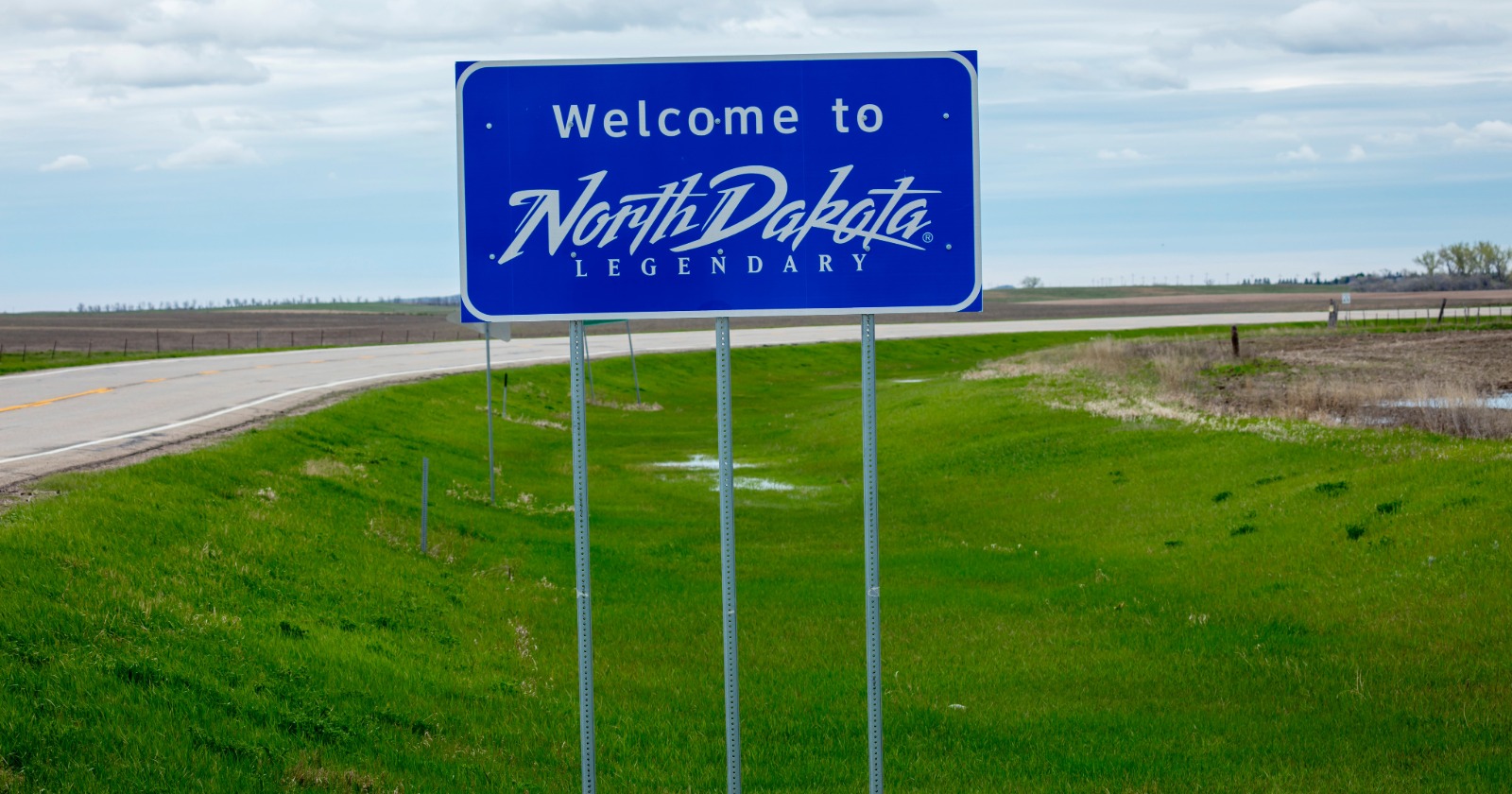
If you lent money in North Dakota and took back a written note, you're probably wondering whether it actually holds up. The short answer is yes. A promissory note is a written promise to repay money on defined terms, and North Dakota treats a properly made one as an enforceable contract. If the borrower stops paying, you can sue on the note and ask a court to enforce it.
"Properly made" is the part that matters. A note that's missing key terms, or that crosses the state's interest-rate line, can be weakened or partly unenforceable. Here's exactly what North Dakota looks for, how long you have to act, and the interest limits to stay inside.
What makes a note binding in North Dakota
North Dakota doesn't have a special form you must use. A note is binding when it meets the ordinary requirements of a contract plus a few essentials specific to lending:
An unconditional promise to pay. The note must clearly state that the borrower owes a specific sum and promises to repay it. "I promise to pay $10,000" is the heart of the document.
Defined terms. The principal amount, the interest rate (if any), the payment schedule, and the maturity or due date should all be spelled out. The clearer the terms, the easier the note is to enforce.
Identified parties and signatures. The lender and borrower should be named, and the borrower must sign. The signature is what binds the borrower to the promise.
Consideration. Something of value has to change hands, which in a loan is the money itself. The lender advancing funds is the consideration that makes the borrower's promise enforceable.
Legal purpose and capacity. The loan has to be for a lawful purpose, and both parties must be adults of sound mind who can legally contract. Get those right and you have a binding instrument.
How long you have to sue: the statute of limitations
A binding note isn't enforceable forever. Every state sets a deadline, called the statute of limitations, for filing suit once the borrower defaults. Miss it and the court can throw the case out no matter how clear the debt is.
In North Dakota, an action on a contract founded upon a written instrument falls under N.D.C.C. 28-01-16, which sets a six-year limitation period for such actions. In practical terms, the clock generally starts when the borrower breaches, for example when they miss a payment that's due or fail to repay at maturity. With installment notes, each missed payment can start its own clock, and an acceleration clause can change the analysis, so the exact start date is worth confirming for your situation.
Statutes get amended, and the way the limitation period applies depends on the facts. Confirm the current rule against the statute itself or with the statute of limitations lookup before you rely on a date.
North Dakota's interest-rate and usury rules
North Dakota caps how much interest you can charge on a private loan, and charging too much carries penalties. The state's usury rules live in N.D.C.C. chapter 47-14.
Rather than a single flat number, North Dakota's maximum contract rate is tied to a market index. Under N.D.C.C. 47-14-09, the ceiling is set by reference to the average rate on United States treasury bills maturing in six months, plus a statutory margin, with a floor stating that the maximum allowable rate may not be less than 7 percent per year. Because the index moves, the actual ceiling changes over time and is declared periodically. The takeaway for a private lender is simple: don't assume a high rate is fine. Check the current cap before you set your rate.
Certain transactions are excluded from the usury chapter, and the consequences of overcharging can include loss of interest. Because the number floats and exclusions apply, verify the current maximum against the statute or use the lookup tools before you finalize a rate.
Secured vs unsecured notes in North Dakota
Both secured and unsecured notes are binding in North Dakota. The difference is what you can do if the borrower defaults. An unsecured note gives you the right to sue for the money. A secured note also gives you a claim against collateral, such as real estate or a vehicle, which you can pursue to recover what you're owed.
If the note is secured by real property, the security instrument generally needs to be recorded to protect your position against other creditors. Recording isn't what makes the note binding, but it's what makes your collateral claim count against the rest of the world.
How to enforce the note if the borrower defaults
A binding note is only useful if you know how to act on it. If the borrower misses payments, the path in North Dakota usually starts with a written demand. You notify the borrower of the default, state what's owed, and give them a chance to cure if your note requires it.
If the note has an acceleration clause, a default can let you declare the entire remaining balance due at once rather than chasing one missed payment at a time. From there, your options depend on whether the note is secured. With an unsecured note, you file suit on the debt and, if you win, pursue a money judgment. With a secured note, you can also move against the collateral through the process the security instrument and state law allow.
Throughout, the six-year limitation window is the constraint hanging over everything. The longer you wait after a default, the more risk you run of letting the clock expire on amounts you could have collected. Acting promptly protects your position.
Practical steps to keep your note enforceable
A binding note can still become hard to collect if you're sloppy after signing. A few habits keep it strong:
Keep the signed original in a safe place; a copy is harder to enforce if the borrower disputes the terms. Track every payment with dates and amounts so you can prove the balance. Don't quietly modify the terms by text or verbally; put any change in writing and have both parties sign, because an undocumented side agreement can undercut the note. And calendar the limitation deadline so you don't lose your right to sue by waiting too long.
For a North Dakota deal specifically, you can start from a state-aware template at our North Dakota promissory note page, then have a local attorney review anything unusual. Get the elements right, stay inside the interest cap, and act within the limitation window, and your note will do exactly what it's meant to do.
Sources
Sarah McCullen is a writer covering personal finance, lending agreements, and everyday legal documents. Sarah transforms complex promissory note terms into clear, practical guidance so individuals can create and understand agreements without unnecessary confusion.
View all posts →Create Your Promissory Note
Need a promissory note? Create one now for $7.99 - state-specific and professionally formatted.
Get Started - $7.99