
Does a private lender have to issue a 1099-INT?

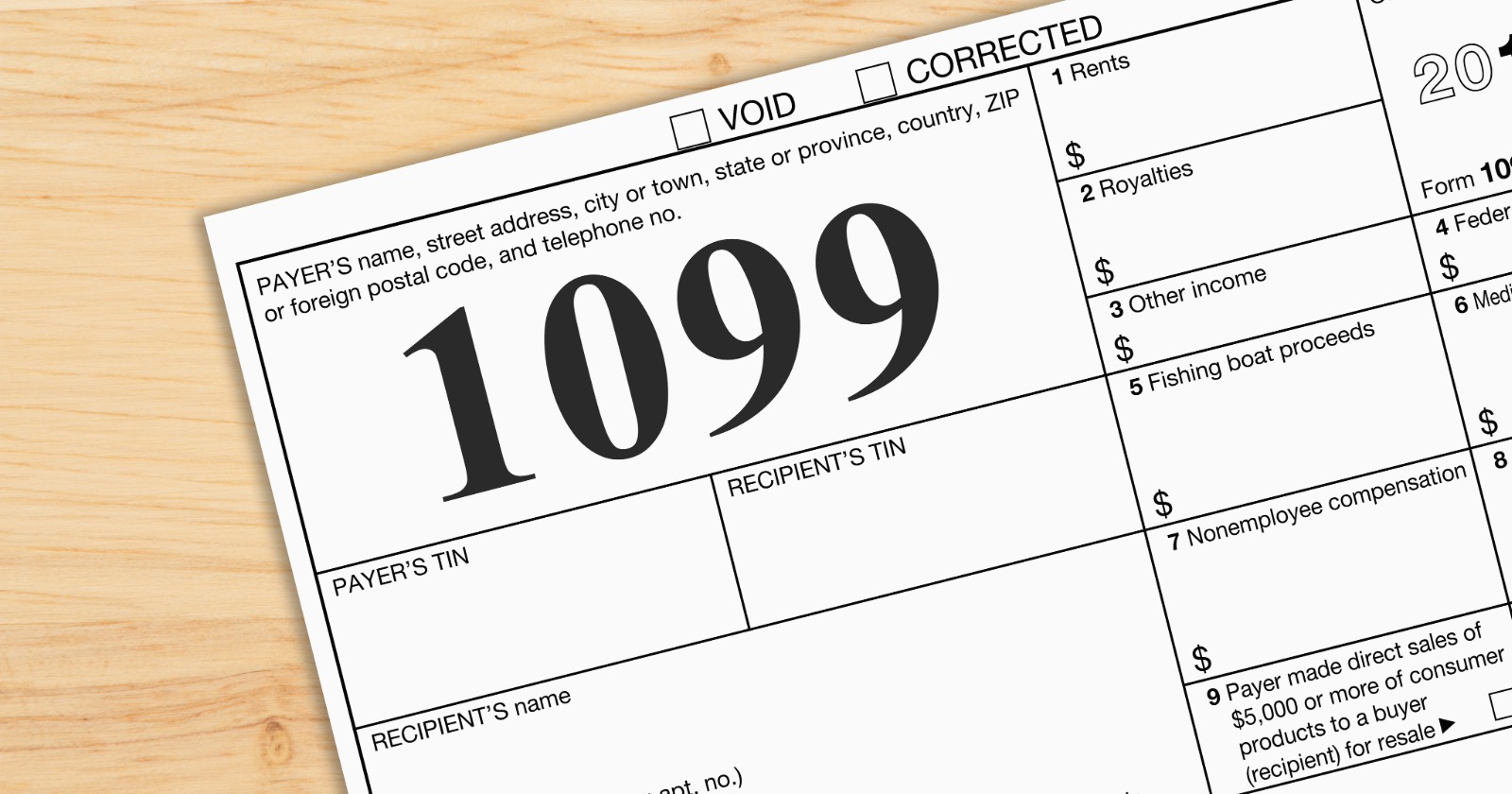
In most cases, no. Form 1099-INT is filed by whoever pays the interest, and only for interest paid in the course of a trade or business, so a private lender who receives interest has nothing to issue on that form. A lender who receives mortgage interest in the course of a trade or business may need to file Form 1098, and every lender must report the interest on their own tax return.
Who files Form 1099-INT, the lender or the borrower?
The payer files it. The Internal Revenue Service (IRS) instructions tell filers to file Form 1099-INT "for each person" to whom they paid reportable interest. The instructions then narrow the form to business payers: "Report only interest payments made in the course of your trade or business".
So when the form applies at all, it goes from the borrower to the lender. If you lend money to your nephew and he pays you interest out of his paycheck, he is not paying in the course of a trade or business, and nobody files a Form 1099-INT for that loan. The same is true for most loans between friends and relatives, where the borrower is paying back money used for personal expenses, rent, or tuition.
Does a business borrower have to send the lender a 1099-INT?
It may. If you lend money to a business, including your own LLC or a friend's company, the business pays you interest in the course of its trade or business. The Form 1099-INT instructions set a minimum amount for that kind of payment, and a business that pays you interest at or above that amount during the year files the form and sends you a copy.
Expect the business to ask for your taxpayer identification number. IRS Topic 403 says you must give the payer of interest your correct number, and that failing to do so may lead to a penalty and backup withholding. Answer that request promptly so the payments on your note are not reduced.
This often comes up when an owner lends money to their own company. The LLC or corporation is a separate payer, so if it pays the owner interest in the course of its business, it follows the same Form 1099-INT rules it would for any outside lender. Keep the loan documented with a signed note that states the rate and the repayment schedule.
When does a private lender file Form 1098?
Form 1098 reports mortgage interest the lender receives. The IRS instructions say: "File this form if you are engaged in a trade or business and, in the course of such trade or business, you receive from an individual" mortgage interest at or above the reporting minimum on any one mortgage during the calendar year.
The instructions add: "You are not required to file this form if the interest is not received in the course of your trade or business." Their example is a person who holds the mortgage on a former personal residence and receives payments from the buyer. That person does not file Form 1098.
You do not have to be a professional lender to be covered. According to the instructions, a real estate developer who finances a home in its own subdivision, with the home as security, must file even though it is not in the lending business. A physician not engaged in any other business who lends money to an individual to buy a home does not have to file, because the interest was not received in the course of the physician's trade or business.
What does a seller-financed home sale require?
Selling your home and carrying the note yourself adds a reporting step. IRS Publication 550 says that if an individual buys a home from you in a sale that you finance, you must report the interest received on Schedule B (Form 1040), line 1, and include the buyer's name, address, and Social Security number (SSN).
If you leave that information off, you may have to pay a $50 penalty. You must also give your own name, address, and SSN or employer identification number (EIN) to the buyer, or you may face the same $50 penalty. The buyer can owe a $50 penalty for not giving you their information. The rule applies whenever an individual buys a home from you in a sale you finance, so it covers a sale to a family member as well as a sale to a stranger.
A secured promissory note is the usual fit for seller financing, because the home stands as collateral for the debt.
Do you still pay tax on interest if no form arrives?
Yes. IRS Topic 403 says "You must report all taxable and tax-exempt interest on your federal income tax return", and that rule applies whether or not a Form 1099-INT or Form 1099-OID arrives. Interest from a relative, a friend, or a small business counts the same as interest from a bank.
The absence of a form changes the paperwork, and the tax stays the same. Your own records become the proof of what you received, so treat them as carefully as a bank would. The same holds for interest on a demand note, a note between relatives, or a seller-financed sale. Whether or not a form exists, the interest is income.
What records should a private lender keep?
Keep the signed note and a payment log that shows the date and amount of each payment, split between principal and interest. An installment promissory note with an amortization schedule makes that split easy to track. With a demand promissory note, you will need to calculate interest as it accrues, since there is no fixed schedule.
If a business borrower sends you a Form 1099-INT, compare it with your log before you file. For a seller-financed home sale, keep the buyer's name, address, and SSN on file so you can complete Schedule B each year the note is outstanding. At the end of each year, total the interest from every note you hold, and report that total on your return. Keep the signed note and the payment log for as long as the loan is open.
Sources
James Stackpoole is a personal finance writer who covers lending, contracts, and everyday legal documents. He focuses on making complex financial topics approachable for borrowers and lenders navigating agreements outside of traditional institutions.
View all posts →Create Your Promissory Note
Need a promissory note? Create one now for $7.99 - state-specific and professionally formatted.
Get Started - $7.99