
Promissory Note Guides
105 articles in this category

What happens if a promissory note does not state an interest rate?
A promissory note with no stated rate is generally interest-free until it is past due. After default, state statutory rates can apply, and IRS rules can impute interest.
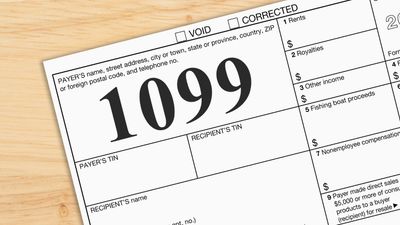
Does a private lender have to issue a 1099-INT?
Usually not. Form 1099-INT is filed by the party that pays interest in the course of a trade or business. A lender in a trade or business may owe a Form 1098, and every lender reports the interest income.

Does a spouse have to sign a promissory note?
Usually no. Only the borrower who signs owes the debt, but community property rules, homestead protections, and co-signing requests can bring a spouse in.

Cross-collateralization and dragnet clauses in a secured note
A cross-collateral clause lets one asset secure several debts. A dragnet clause sweeps future loans under collateral you pledged years ago. Here is what each does, why lenders love them, and how to draft one that a court will respect.

What happens to a family loan when the borrower files for bankruptcy?
When a relative you lent money to files for bankruptcy, you have to stop asking to be paid, and repayments from the past year can be clawed back.
Paying with a promissory note: using a note to buy something
When a buyer pays with a note instead of cash, the seller becomes a lender. Here's how to secure the note, why negotiability matters, and how payments are taxed.

When a balloon payment comes due and the borrower cannot pay
A missed balloon payment is a real default on the maturity date. Here are the lender's four options and what each one does to interest, timing, and paperwork.
Arbitration and jury-waiver clauses in a promissory note
Should your promissory note say where and how a dispute gets decided? Here's how arbitration, jury waivers, and forum clauses work, when courts enforce them, and sample language that holds up.

What happens if you miss a payment on a promissory note
A missed payment on a promissory note starts a process, and at almost every step you still have options. Here is what happens next, from the borrower's side of the table.
Can you sue on a promissory note in small claims court?
Small claims court can turn an unpaid promissory note into a judgment for under $100 in filing fees. Here's how the dollar limits, evidence, and interest math work.

Two lenders on one note: how co-lenders share the loan
Two people fund one loan and sign one note. It works until the borrower misses a payment and the lenders disagree about what to do next. A page of terms prevents most of that.

Oral modifications: why a side agreement may not stick
You tell the borrower to skip a month. Nobody writes it down. Whether that conversation binds either of you depends on a handful of rules worth knowing before the phone call.