
Can You Charge a Late Fee on a Promissory Note?

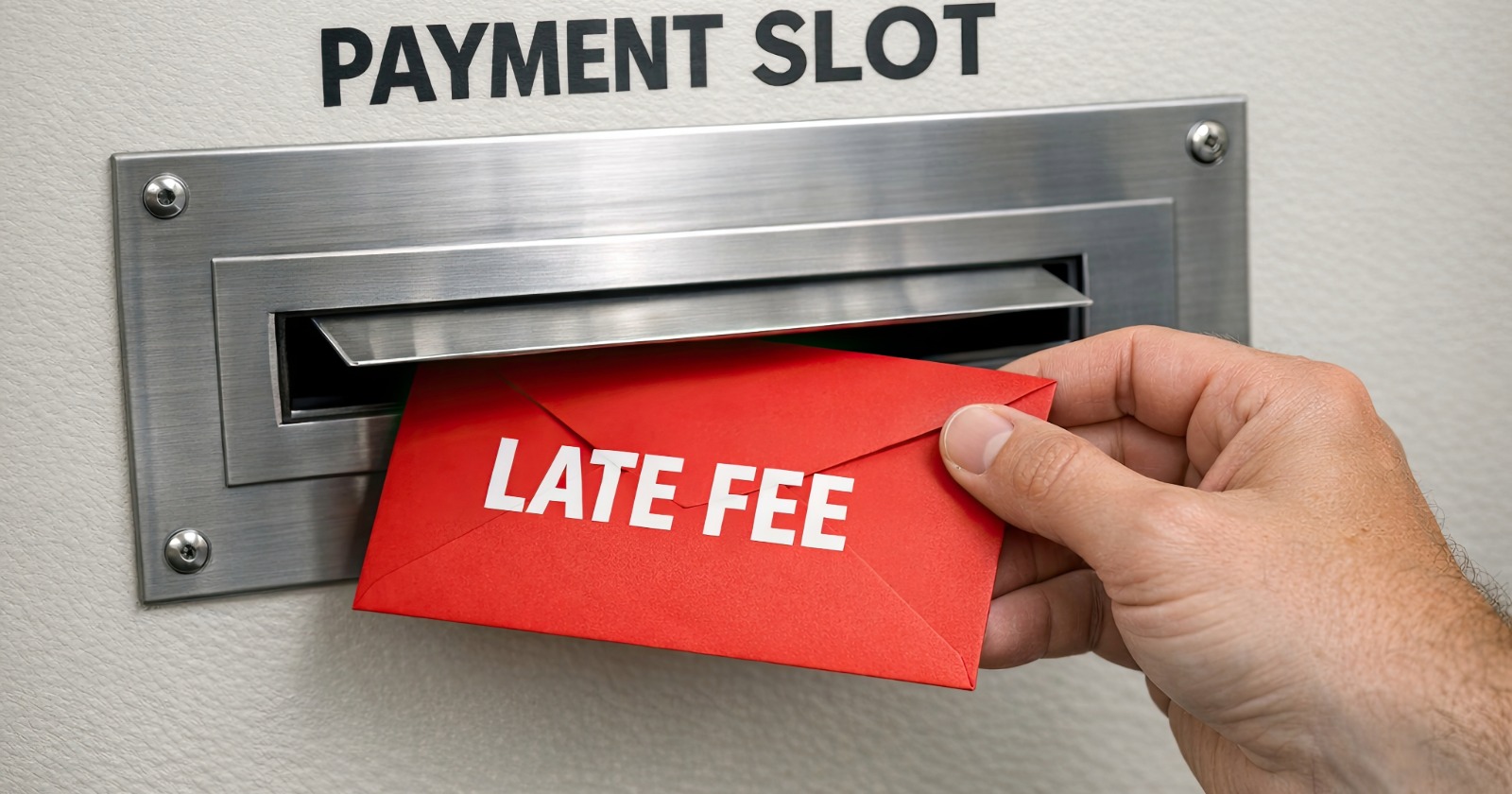
You set up the loan with the best intentions, and for a while the payments arrived on time. Then they started slipping, and now you are tired of chasing a date that keeps getting missed. A reasonable consequence feels fair, and you are right that you can have one. A late fee is enforceable on a promissory note when the note itself authorizes it and the amount is reasonable, but a fee that is sloppy or excessive can be struck down.
Here is what actually happens. A late fee is part of the contract, not something you can invent after a payment is missed. If the note says nothing about it, you generally cannot tack one on later. And even when the note does authorize a fee, a court can refuse to enforce one that looks more like a punishment than a fair estimate of the cost of a late payment. The goal is a fee that encourages timeliness without crossing that line.
Put the Late Fee in the Note Itself
The single most important step is writing the late fee into the note before anyone signs. The clause should state when a payment is considered late, how much the fee is, and how it is calculated. Because both parties agree to the term up front, it becomes an enforceable part of the bargain rather than a surprise charge.
If your existing note is silent on late fees, you generally cannot add one unilaterally. Your option is to agree on an amended term in writing, signed by both parties. Building the clause in from the start is far cleaner, which is why our promissory note generator lets you include a late fee provision when you create the document. Adding it at the start also avoids an awkward conversation later, since asking a borrower to sign a new fee after a payment has already been missed rarely lands well and often invites a dispute.
Reasonable Fee or Unenforceable Penalty
Courts draw a line between a reasonable late fee and an unenforceable penalty. A reasonable fee roughly reflects the lender's costs and inconvenience when a payment is late. A penalty, by contrast, is designed mainly to punish the borrower or to frighten them into paying, and judges are skeptical of it.
The practical lesson is restraint. A modest, clearly justified fee is far more likely to survive a challenge than a large one that bears no relation to any real cost. If a borrower ever disputes the charge, you want to be able to explain why the amount is fair, not merely that the note allowed it.
Watch the Line Between a Late Fee and Usury
There is a second trap beyond the penalty rule. A late fee that is very large relative to the payment can be treated by a court as disguised interest. When you add that hidden interest to the stated rate on the note, the combined figure can push past your state's lawful interest ceiling and run into usury concerns.
This is why a percentage based fee in particular deserves a second look. Keeping the fee modest protects you from the argument that you were really charging unlawful interest under another name. If you want to check how much interest your state allows before you set a fee, our usury limit checker is a good place to start.
Flat Fee Versus a Percentage
You generally have two ways to structure a late fee. A flat fee charges a fixed dollar amount each time a payment is late, which is simple and predictable for both sides. A percentage fee charges a portion of the overdue payment, which scales with the size of the installment but is more likely to draw scrutiny if it climbs high.
For loans between people who know each other, a small flat fee is often the easiest to justify and the gentlest on the relationship. Whichever structure you pick, state it plainly in the note, give a single clear number or formula, and avoid stacking multiple fees on the same missed payment.
It also helps to decide in advance whether the fee applies once per late payment or recurs while the payment stays unpaid. A fee that quietly compounds week after week can balloon into something a court will not honor, even if each individual charge looked small. Spelling out a single fee per missed installment keeps the math honest and keeps you from accidentally building a charge that crosses into penalty or usury territory.
Give a Grace Period
A grace period is the short window after the due date during which a late payment will not trigger the fee. Including one, often a handful of days, makes the fee feel fair and gives an honest borrower room for a bank delay or a simple oversight. It also makes the clause look reasonable if it is ever questioned. People miss dates for ordinary reasons, a paycheck that posts a day late or a payment that sits in transit over a weekend, and a short grace period absorbs those bumps without anyone feeling punished for a minor slip.
Spell the grace period out in the note so there is no argument about when the fee actually applies. A clear statement such as a fee that applies only after a set number of days past the due date removes ambiguity and helps both sides know exactly where they stand.
Keeping the Fee Enforceable
To keep your late fee collectible, do four things. Write the fee, the trigger date, and any grace period clearly into the signed note. Keep the amount modest and tied to real inconvenience. Apply it consistently rather than only when you are annoyed. And document each late payment and each fee you charge, so your records support the charge if it is ever disputed.
A late fee works best as a gentle nudge toward on time payment, not as a weapon. Set it thoughtfully, keep it reasonable, and put it in writing from the start. Done that way, it protects your patience without souring the relationship that led you to make the loan in the first place.
James Stackpoole is a personal finance writer who covers lending, contracts, and everyday legal documents. He focuses on making complex financial topics approachable for borrowers and lenders navigating agreements outside of traditional institutions.
View all posts →Create Your Promissory Note
Need a promissory note? Create one now for $7.99 - state-specific and professionally formatted.
Get Started - $7.99